
Understanding Interpol Yellow Notices
Interpol Yellow Notices are critical tools in the international law enforcement community,
assisting in the location of missing persons and helping to identify individuals who are unable to identify themselves.
You can learn more about how these notices work Interpol Yellow Notice https://trailkeeper.org/pages/how-interpol-yellow-notice-works.html.
What is an Interpol Yellow Notice?
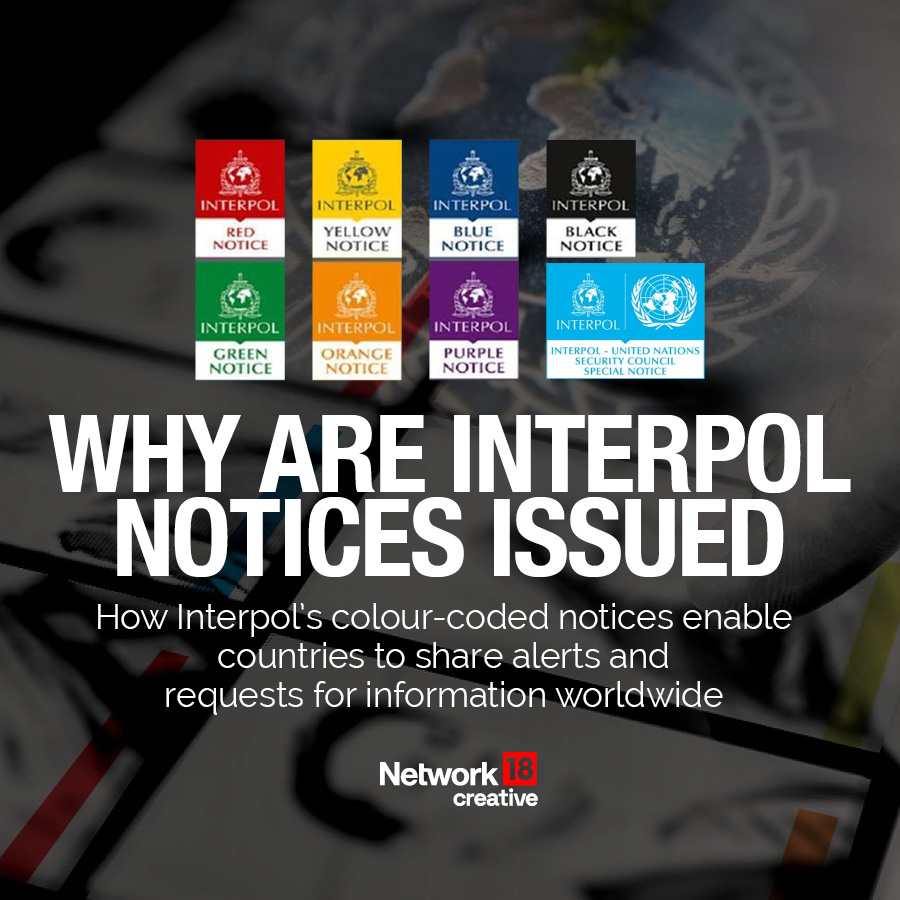
An Interpol Yellow Notice is issued to help locate missing persons, often minors, or to identify individuals who are unable to identify themselves due to various circumstances.
The notice serves as an international alert to all member countries, facilitating cooperation and information-sharing between law enforcement agencies.
Unlike other types of notices which focus on criminal activity, Yellow Notices address humanitarian concerns, primarily around the welfare of missing or lost individuals.
History and Evolution
The concept of Yellow Notices was introduced in 2004, as a part of Interpol’s vast network of tools designed to support international policing efforts.
The need for such a notice became evident with the increasing number of children going missing, along with the challenges faced in cross-border situations.
Interpol recognized that time is of the essence in these cases, and having a standardized notice would expedite information sharing.
How Yellow Notices Work
When a Yellow Notice is issued, it is disseminated to all 195 member countries of Interpol.
Law enforcement agencies in these countries can access the information about the missing person or unidentified individual, including personal details and any relevant circumstances surrounding the case.
This global reach allows for a wider net to be cast in the search for missing individuals, leveraging international cooperation and resources.
Who Can Request a Yellow Notice?
Yellow Notices can be requested by child protection agencies, police, or judicial authorities in any Interpol member country.
The criteria for issuing a notice typically include the belief that the person is missing and may be in danger or that they cannot identify themselves and need assistance.
It is essential that the request is backed by sufficient information to support the issuance of the notice, ensuring that it is used appropriately and effectively.
Challenges and Limitations
While Yellow Notices are incredibly valuable, they are not without challenges.
One significant limitation is that these notices rely heavily on the cooperation of member countries.
If a country does not act on a Yellow Notice or lacks resources, the effectiveness of the notice is diminished.
Furthermore, the privacy concerns surrounding the release of personal information can sometimes complicate investigations, particularly in sensitive cases involving minors.
Success Stories
Over the years, there have been numerous cases where Yellow Notices have aided in the successful recovery of missing persons.
In one notable instance, a missing child was located in a different country after a Yellow Notice was issued.
Authorities in that country received the alert, which helped them to quickly identify and assist the child.
Such success stories underscore the importance of the Yellow Notice within the broader framework of international law enforcement and child protection.
The Role of Technology
Modern technology plays a critical role in the effectiveness of Yellow Notices.
The advancement of data-sharing platforms and communication technologies allows for rapid dissemination and retrieval of information across borders.
Moreover, social media has become an instrumental tool in raising awareness about missing persons and sharing details quickly, often multiplying the impact of official notices.
Public Awareness and Education
Increasing public awareness about Yellow Notices is vital.
The general public can aid law enforcement by being vigilant and aware of missing persons in their area.
Many law enforcement agencies also conduct public education campaigns to inform citizens about how they can help in the search for missing persons and the importance of reporting leads to police.
Conclusion
Interpol’s Yellow Notices represent a beacon of hope for families of missing persons and serve a fundamental purpose in international law enforcement.
They facilitate cooperation across borders, aiding in the search and rescue of those who may be in danger or who cannot identify themselves.
As we move forward in a more interconnected world, the importance of such tools and their effective implementation cannot be underestimated.
Continued advancements in technology, public awareness, and international cooperation will only enhance the impact of Yellow Notices, ensuring that vulnerable individuals receive the care and protection they need.