To answer the most pressing question immediately: Yes, you can access your account, but whether your casino login process is truly bulletproof depends entirely on your own digital hygiene and the precautions you take during the sign-in process. While Slotonauts provides the technical framework for entry, the responsibility for keeping your NZD balance safe rests largely on the user.
Navigating the Entry Point to Slotonauts
Before you start chasing the «Blast Off to Big Wins» promotion, you need to understand the mechanics of how you actually enter the platform. When you decide to Slotonauts casino login, you aren’t just clicking a button; you are initiating a data exchange between your device and the Cerberlot N.V. servers. For Kiwis looking for a reliable NZD casino, the first hurdle is ensuring you are on the legitimate domain and not a phishing clone. The Slotonauts interface is relatively straightforward, requiring your registered credentials to grant casino account access.
It is worth noting that while the landing page looks slick, the actual login process is quite clinical. You’ll be prompted for your username or email and a password. It sounds basic, but in an era of sophisticated cyberattacks, «basic» is often where the vulnerabilities lie. If you are a new player, remember that your journey begins with this single gate. If you can’t get through this gate securely, the 3,700+ games available, ranging from NetEnt classics to Pragmatic Play hits, won’t matter much because your funds could be at risk before you even place a bet on Wolf Gold or Gates of Olympus.
The VPN Dilemma and Regional Access Risks
One area where many New Zealand players stumble is the use of Virtual Private Networks (VPNs) during the secure casino login process. While VPNs are excellent for general privacy, using one to mask your location while accessing a Slotonauts account can trigger red flags in the operator’s security system. Since Slotonauts operates under a Curaçao license, they have specific protocols regarding player geolocation. If your IP address suddenly jumps from Auckland to Amsterdam, the system might freeze your account to prevent fraud.
We have seen cases where players attempt to bypass regional restrictions, only to find themselves locked out during the withdrawal phase. This is a classic «skeptical player» trap. If you want to ensure seamless casino account access, it is generally advised to avoid using a VPN when logging in. If you must use one for other online activities, ensure it is turned off before you attempt to enter your credentials. The goal is to maintain a consistent digital footprint. A sudden change in your connection profile is often interpreted by automated security algorithms as a hijacked session, leading to an immediate lockdown of your NZD funds.
The Risks of Leaving Multiple Windows Open
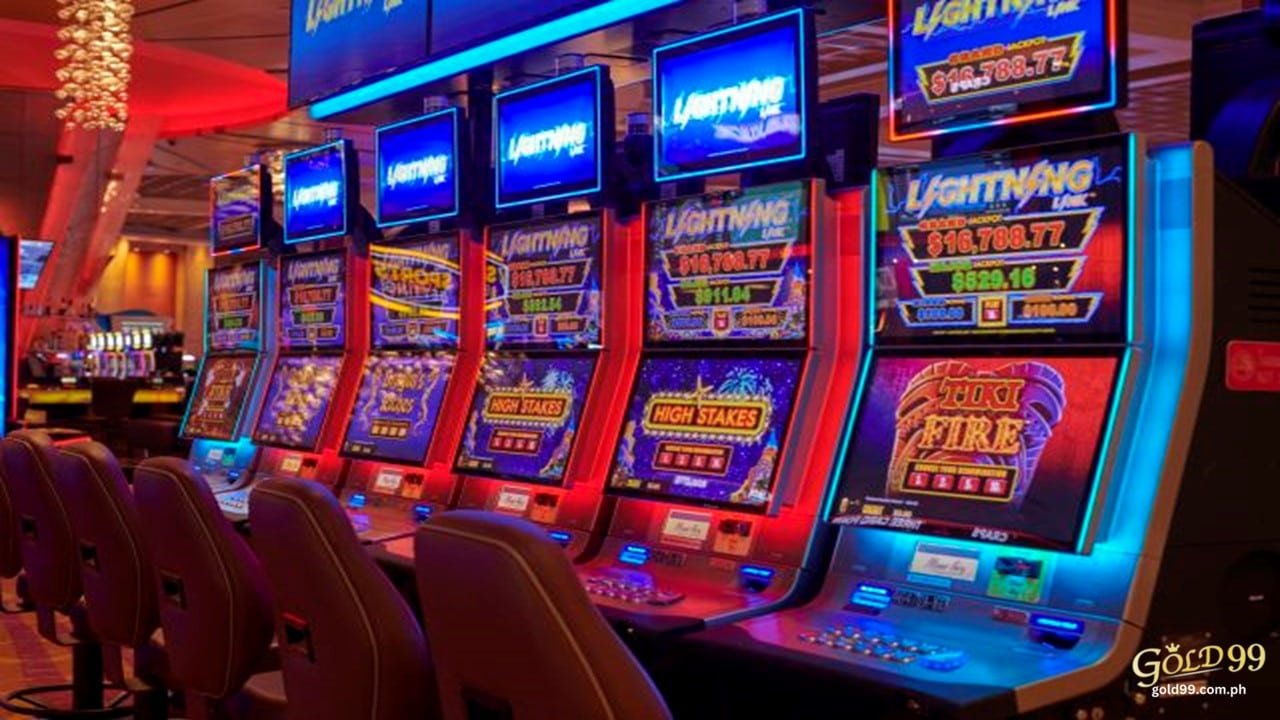
A common mistake among seasoned gamblers is the habit of «session stacking»—having the casino open on a desktop, a smartphone, and perhaps a tablet simultaneously. While it might seem convenient to keep an eye on your progress across devices, managing multiple active sessions can create security loopholes. Each time you sign in casino online on a new device, you are expanding the «attack surface» of your account. If one device is compromised, all your active sessions are potentially vulnerable.
From a technical standpoint, most modern platforms, including Slotonauts, try to manage this by either limiting the number of concurrent sessions or by forcing a logout on the older device. However, relying on the casino’s software to clean up after you is a risky strategy. If you are playing high-stakes games like Money Train or Book of Dead, you want your connection to be singular and stable. We recommend a «one device, one session» rule. If you need to switch from your PC to your mobile, log out completely from the desktop before attempting to access your account on the go. This prevents any «ghost sessions» that could be exploited by third parties.
Strengthening Your Defences with 2FA
If you take nothing else away from this guide, take this: look for 2FA casino options. Two-Factor Authentication is the single most effective way to prevent unauthorized access, even if someone manages to steal your password. While many casinos rely solely on traditional password entry, the move toward multi-factor authentication is a growing necessity for any serious NZD casino. 2FA adds a second layer of verification—usually a code sent to your mobile device or generated by an authenticator app—that must be entered during the secure casino login process.
Even though the convenience of «social logins» (using Google or Facebook to sign in) is tempting, we advise caution. While social logins can be faster, they tie your casino security directly to the security of your social media account. If your Facebook is hacked, your Slotonauts account follows suit. For those who want true peace of mind, a dedicated password combined with a robust 2FA method is the gold standard. It might take an extra ten seconds to find your phone and type in a code, but those ten seconds are the difference between a successful withdrawal and a drained account.
Understanding Session Timeouts and Auto-Logouts
Nothing is more frustrating than being mid-spin on Sweet Bonanza only to find you’ve been kicked back to the login screen. This is due to session management protocols, specifically auto-logout features. These are not designed to annoy you; they are a critical security feature. An auto-logout ensures that if you walk away from your computer or if your internet connection flickers, your session doesn’t remain «live» indefinitely. An active, unattended session is an open invitation to anyone who happens upon your device.
At Slotonauts, these timeouts are calibrated to balance user experience with security. However, you should never view an auto-logout as a mere inconvenience. Instead, see it as a safety net. If you find yourself being logged out more frequently than expected, check your internet stability. A fluctuating connection can cause the server to think your session has ended, forcing a fresh casino login. Always be aware of the «session state.» If you are playing on public Wi-Fi—which we strongly discourage—the risk of session hijacking is significantly higher, and the auto-logout feature becomes your most important ally in maintaining casino account access security.
Decoding the Dashboard: What Happens After Entry?
Once you successfully navigate the secure casino login, you are presented with the player dashboard. This is your command center. A skeptical player should immediately scan this area for any anomalies. Does your balance match what you last saw? Are there any unrecognized transaction histories? The dashboard is where you manage your funds, claim your 175% bonus, and interact with the 3,700+ available games. It is also where you should check your active promotions to ensure you are meeting the 35x wagering requirements on the bonus amount.
Below is a summary of the core financial and promotional data you should verify immediately after gaining entry to your account:
| Feature/Requirement | Details for NZ Players |
|---|---|
| Welcome Bonus | 175% Bonus + 100 Spins |
| Wagering Requirement | 35x on bonus amount only |
| Minimum Deposit | NZ$100 |
| Supported Payments | Visa, Mastercard, Apple Pay, Google Pay, etc. |
| Game Providers | NetEnt, Pragmatic Play, Evolution, Play’n GO |
The dashboard is not just for gaming; it is for auditing. Regularly review your deposit and withdrawal history. If you see any entry that doesn’t ring a bell, contact support immediately. Your ability to monitor your account via the dashboard is the first line of defense in managing your gambling budget and your digital security.
Troubleshooting Access Issues
Even with the best intentions, you will eventually run into problems trying to sign in casino online. Common issues include incorrect credentials, browser cache conflicts, or server-side maintenance. If you are certain your password is correct but you are still being denied casino account access, the culprit is often your browser. Over time, stored cookies and cache files can become corrupted, interfering with the secure casino login scripts. Clearing your browser data or attempting the login in an «Incognito» or «Private» window is a standard first step.
Another frequent issue involves the «Caps Lock» key—it sounds trivial, but it accounts for a significant percentage of failed login attempts. If you are using a mobile device, ensure your keyboard isn’t auto-correcting your email address or username into something nonsensical. If the problem persists, check the official Slotonauts communication channels to see if there is scheduled maintenance. If the site is up but your specific account is blocked, it is likely a security trigger, and you will need to reach out to their support team to verify your identity and restore access.
Protecting Your Assets While Active
Being logged in does not mean you are safe; it simply means the door is open. To keep your account safe while you are actively playing, you must practice «active security.» This means never leaving your device unattended while a session is active. If you are playing on a laptop in a cafe, even with a VPN, the physical security of your device is a variable you cannot control. In such environments, the risk of «shoulder surfing»—where someone watches you type your casino login details—is high.
Furthermore, be wary of any «pop-ups» or unexpected prompts while you are inside the casino interface. Legitimate operators like Slotonauts will not ask for your password via a chat window or a random pop-up. If a prompt asks for your sensitive information while you are already logged in, treat it as a high-level threat. Always stay within the official game frames provided by providers like Evolution Gaming or Quickspin. If a game window looks suspicious or asks for separate login details, close it immediately and re-authenticate through the main site. Security is a continuous process, not a one-time event at the point of entry.
The Recovery Protocol: Resetting Lost Credentials
We all forget things, and losing access to your account can be stressful, especially if you have funds sitting in your balance. The password recovery process is a standard feature, but it must be handled with care. When you click «Forgot Password,» the system will typically send a reset link to your registered email address. This is a critical moment. Ensure that the email you receive is actually from the official Slotonauts domain. If the link takes you to a strange, non-casino URL, do not click it; it is a phishing attempt.
During the reset, choose a password that is entirely unique from any other service you use. Do not use «Password123» or your pet’s name. A strong password should be a complex string of characters, numbers, and symbols. If you are struggling with the automated recovery process, you may need to undergo a manual identity verification. This might involve providing a photo of your ID to prove you are the legitimate owner of the account. While this can be a hassle, it is a necessary friction point to ensure that a stranger cannot simply «reset» their way into your NZD holdings.
Secure Access Confirmed?
In conclusion, accessing your Slotonauts account is a relatively simple task, but it is one that requires a level of digital skepticism. You have the tools—the 175% bonus, the 100 spins, and the massive library of games—but those tools are only useful if your secure casino login remains under your control. By implementing 2FA, avoiding VPN-induced geo-blocks, managing your sessions strictly, and being vigilant about your dashboard, you can mitigate the majority of common risks. Remember, the goal is to enjoy the games, not to spend your time fighting for access to your own money. Stay sharp, stay secure, and play responsibly.