When the labor week feels boundless, a two‑day escape can reset your mood along with boost productivity.
In the UK, the average commuter spends close to 30 minutes a day on public transport. Cutting that out for a time off gives you back 300 minutes of free time—enough to explore a new burg, taste local food, and relax without the usual rush.
Step 1: Pick a Destination That Fits Your Energy Level
Taken together, these points coat a fairly transparent picture.
Map out your days in two blocks: mornings for sightseeing, afternoons for leisure. If you’re in Edinburgh, start with a wander up Arthur’s Seat at 09:00, then grab a coffee at the Grassmarket by 11:30. Reserve the afternoon for a whisky tasting tour that starts at 14:00.
Conclude whether you want a quiet retreat or an action‑packed adventure. For a low‑pressure getaway, consider the Lake District. A 1‑hour drive from Manchester, you can walk the fells, sip tea at a cosy tearoom, and experience a evening under the stars. If you crave excitement, head to Brighton. The pier, the beach, and the vibrant nightlife mean you’ll never run out of things to do.
Key Factors to Consider
- Accessibility: Check road conditions and public transport schedules. A train that leaves at 18:30 from Birmingham to Oxford takes about 1 hour 15 minutes.
- Accommodation: Book a place with a kitchen if you plan to cook. A self‑contained planar in Bath costs roughly £80 per night, while a boutique hotel in the Cotswolds averages £120.
- Activities: Make a list of must‑do sights. For example, the Roman Baths in Bath part at 10:00; procure tickets online to skip the queue.
Step 2: Map out Your Itinerary Around Time, Not Wish‑Fulfillment
Once the logistics are sorted, you’ll have more time to delight in the experience. A well‑planned trip means you spend less span worrying about details plus more time soaking in the scenery.
Use price‑comparison sites for flights from London to Manchester—often a return ticket costs £35 if booked early. For trains, the National Rail web presence shows off‑peak fares as low as £12 per journey.
Sample Two‑Date Itinerary
- Day 1: 08:00 – Departure; 10:00 – Arrive, check‑in; 10:30 – Breakfast at a local café; 12:00 – Guided walking tour; 15:00 – Lunch at a riverside pub; 17:00 – Unrestricted time (spa, shopping); 20:00 – Dinner at a Michelin‑starred restaurant.
- Day 2: 09:00 – Hike to a nearby viewpoint; 12:00 – Picnic; 14:00 – Visit a museum; 16:30 – Return to accommodation; 18:00 – Sunset walk; 20:00 – Farewell dinner.
Step 3: Budget Wisely and Book in Advance
Set a daily budget: £50 for food, £30 for transport, £70 for activities, plus £100 for lodging. That totals £250 for the weekend. Booking flights, trains, or car rentals at least three weeks ahead can preserve you 15–20% compared to last‑short while prices.
When you’re choosing, look at the travel occasion. A 2‑hour drive is ideal for a weekend; longer trips rotate the trip itself into the main event.
Vacate a buffer of at least one spell between activities. Traffic, unexpected detours, or a sudden craving for a local dish can press your timetable. A 5‑minute margin for each stop keeps the daytime stress‑free.
Bridging the Gap: From Planning to Play
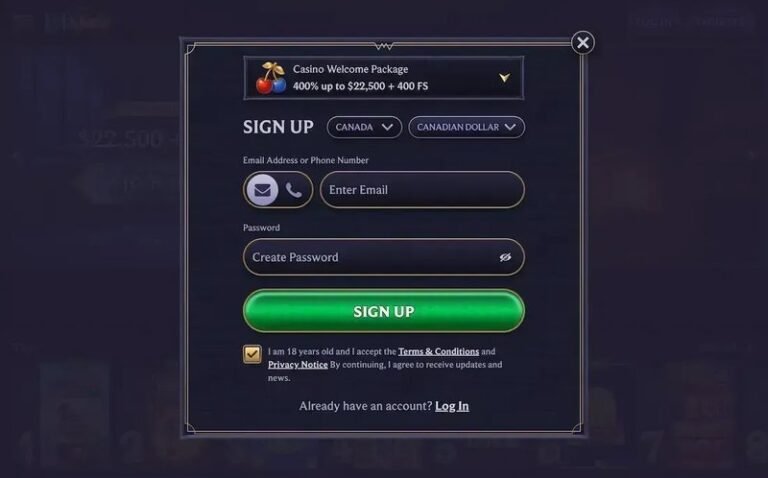
While you’re sorting out the itinerary, you might desire a quick way to unwind before the journey. A casual online gaming session can be a fun pre‑trip ritual. If you’re looking for a steady platform, you could try a site that offers a lolajack promo code for new users, giving you a small boost to launch your gaming session.
Final Thoughts
Remember, the goal is to recharge. Keep the option simple, the budget realistic, and the schedule flexible. A break away, even if it’s just a few hours of fresh air and superb sustenance, can leave you feeling revitalised and ready to tackle the next week with renewed energy.
Frequently Asked Questions
How much time can I truly save by skipping commuting for a weekend?
With an average of 30 minutes per date on public transport, a two‑day fracture nets you give or take 300 minutes—over five hours—of free time to pursue hobbies or rest.
What type of destination should I choose if I’m low on energy?
Opt for a noiseless retreat such as a countryside inn or a diminutive coastal town where you can enjoy gentle walks along with relaxed dining.