The Way HMDD Transformed from an Concept into a Mainstay of Streetwear
HMDD’s story begins the way every streetwear label does — with a concept — but in this case it was a phrase that refused to be forgotten: «Happy Memories Don’t Die.» That idea, abbreviated as HMDD, has evolved from a minor design idea into a known entity in modern streetwear circles. The label’s growth arc reflects a larger change in how independent labels build identity — not through massive ad budgets, but through coherent communication, a recognizable aesthetic, and pieces that earn a spot in daily rotation. This article traces that evolution, looks at what makes HMDD clothing set apart in a crowded market, and gives a candid assessment of where HMDD stands on its way into 2026.
Streetwear as a category has developed a great deal across the last ten years. A once-narrow niche, anchored by graphic tees and limited drops, has broadened out into a complete lifestyle wardrobe spanning everything from outerwear to loungewear. HMDD entered this landscape with a name-first strategy: the phrase «happy memories dont die» isn’t just a tagline, it’s a philosophy stitched into the brand’s approach to design, marketing, and community building. It’s worth unpacking that philosophy before exploring the product details.
How the HMDD Vision Originated
Rather than starting inside a corporate office, the label took a different path. One core concept — that memories, especially the happy ones, are worth keeping and wearing instead of staying stuck in photo albums — served as the starting point for the modest project that became a smaller project, much like many streetwear labels tend to begin. That name alone works as both branding and mission statement. Rather than depending on abstract logos or borrowed slang, the brand built its identity around a full phrase that customers could repeat, tattoo, or caption on social posts — a wiser long-range choice than a standalone generic symbol.
At the outset, what the brand put out was limited. Small-batch releases, a small lineup of graphic tees, and grassroots buzz carried it through its opening chapter. This hmdd oversized tee is a common pattern in streetwear history — early-era Supreme or Bape are examples of brands that started small before expanding into broader collections. HMDD pursued a like-minded trajectory, leaning on limited availability and meaning-driven design to cultivate a devoted early following rather than pursuing mass appeal right from the start.
What distinguished HMDD rise above innumerable startup labels was consistency of message. Each release doubled down on the same emotional core: wistfulness, staying power, and the idea that happy memories outlive hard times. That consistency mattered more than trend-chasing, and it’s a major reason for why the brand has lasting power heading into 2026 rather than losing steam after a handful of seasons.
The Way Printed Tees Evolved into a Full Wardrobe
Pushing ahead, its evolution took the form of broadening the lineup past tees and hoodies. HMDD sweatpants and HMDD shorts became important new pieces, shifting the brand from a t-shirt-centric brand into a richer loungewear and streetwear system. That shift was significant because sweatpants and shorts are high-frequency purchase items — customers who buy one pair often come back for a second or third, particularly when fit and fabric weight meet expectations.
HMDD sweatpants are usually presented as an wardrobe basic rather than a bold showpiece, which matches the brand’s wider identity. Unlike tees, sweatpants and shorts aren’t built around bold graphics — instead, their success hinges on fit, stitching quality, and real-world comfort. Expanding into this category signaled that HMDD wanted staying power as a all-around clothing label, not just notice as a t-shirt company with a clever name.
Shorts followed a matching logic. HMDD shorts bridge the gap between polished streetwear and pure athletic wear, giving customers a piece that works for casual outings, workouts, or simply lounging. This category expansion is one of the clearest signs of brand maturity — moving from single hero items to a wardrobe system customers can build a full rotation around.
Working Through an HMDD Review
Search for an honest hmdd review online and a pattern quickly emerges: customers regularly mention fit, print durability, and overall comfort as the factors that tip the scale. Streetwear buyers today are more educated than they were ten years ago. Before committing to a purchase, they compare stitching, look into fabric weight, and read reviews — especially when a brand doesn’t have a flagship retail presence in every city.
Positive feedback across HMDD review threads tends to center on the brand’s ability to keep its message unified across product types — the «happy memories don’t die» phrase appears deliberately rather than being tacked onto every item without purpose. Negative comments, when present, tend to focus on sizing consistency, which is a recurring issue across nearly every growing streetwear label as they scale production. When brands take this kind of feedback seriously, they typically course-correct quickly — and HMDD’s steady stream of product updates suggests genuine listening rather than stagnant production.
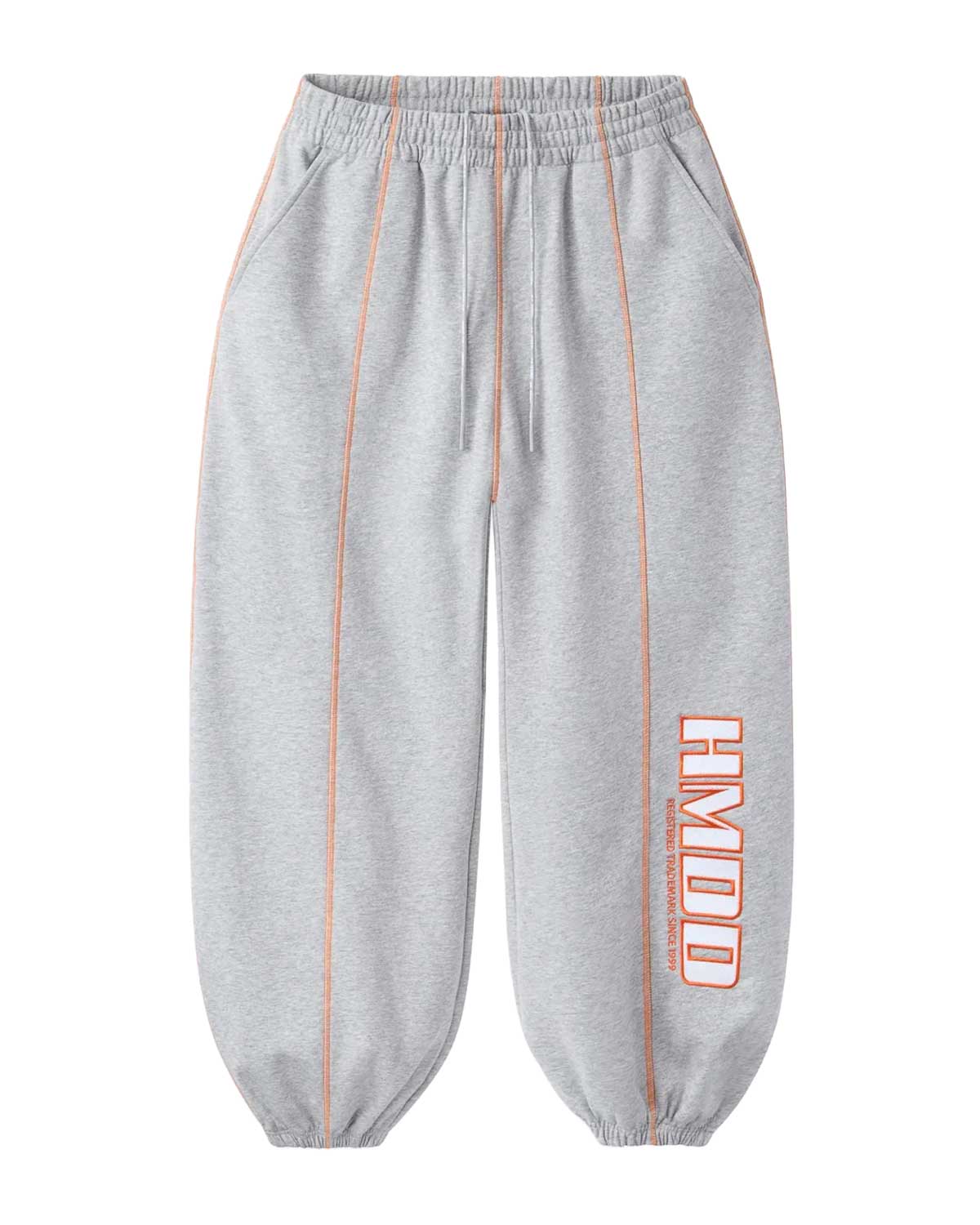
For shoppers trying to figure out the best hmdd clothing pieces to start with, reviews regularly highlight the sweatpants and core graphic tees as entry points, with shorts recommended for warmer-season rotation. This kind of grassroots, review-driven guidance is arguably more valuable than any marketing campaign, because it comes from people who actually wore the product through daily use.
The Regional Identity Angle Through HMDDLA
Streetwear has always had strong regional roots, with HMDDLA — the Los Angeles-associated identity tied to the brand — plays into this heritage. Streetwear culture has taken shape in Los Angeles for decades, from skate-shop culture to small labels that eventually went global. The brand, by leaning into an Los-Angeles-linked identity, draws on a well-known heritage of West Coast streetwear tradition, giving the brand a geographic anchor point that shoppers can relate to beyond just the product itself.
This regional branding move isn’t something reserved for HMDD, but it’s executed with intention here. Rather than merely tacking a place name onto the product box, the HMDDLA spin strengthens the label’s larger story: nostalgia connected to place, moment, and togetherness. It offers shoppers a narrative worth investing in, not merely an item.
Building community organically is additionally helped by regional identity. In-person pop-ups, collabs, and grassroots buzz in a specific city tend to build more durable brand loyalty than exclusively online-only labels. How much HMDDLA keeps its role as a core identity element through 2026 will most likely rest on how dedicated the label stays to real-world visibility as opposed to staying chiefly internet-centric.
The HMDD Collection Compared to Common Street-Style Labels
In order to grasp where HMDD positions itself within the industry, one should compare its overall strategy against typical streetwear competitor patterns. The table below represents broad trends within the category rather than specific price-for-price matchups, since precise pricing among competitors varies constantly.
| Consideration | The Manner HMDD Positions Itself | Common Streetwear Competitor |
|---|---|---|
| Identity Statement | Fully phrase-based identity («Happy Memories Don’t Die») | Commonly logo-led, short on storytelling |
| Range of Goods | Tees, hoodies, sweatpants, and shorts round out the offering | Differs greatly from brand to brand; a lot of them stay centered on tees and hoodies in the early stages |
| Geographic Identity | Branding tied to HMDDLA / Los Angeles | Inconsistent; certain labels sidestep geographic ties entirely |
| Growth Strategy | Small-batch drops growing into the full wardrobe system | Not far off, although how fast brands scale varies by brand |
| Feedback Process | An active engagement with fit tweaks based on customer reviews | Uneven throughout the space |
What 2026 Signals to HMDD
Approaching 2026, HMDD sits in a spot that numerous independent streetwear names strive toward but only a handful achieve: a name people know, a growing catalog, and an active community of buyers actively discussing the brand through reviews and search behavior.
Mirroring the same measured approach seen in other successful streetwear evolutions, the move from a slogan-based idea to a full multi-category apparel label took shape gradually — starting narrow, building loyalty, then expanding deliberately.
Past the initial tee-driven lineup, the addition of sweatpants and shorts shows that the label is planning beyond a solitary hero product. HMDDLA’s regional identity adds a layer of place-based authenticity that resonates with streetwear’s historical roots in distinct cities and subcultures. At the same time the ongoing conversation around HMDD review content — spanning both positive notes and helpful critique — implies a brand persistently shaping itself based on real customer experience rather than presumptions.
For buyers considering HMDD clothing for the first time, the approach is fairly straightforward: start with an essential piece, pay attention to sizing notes from prior reviews, and expand into sweatpants or shorts once fit preferences are confirmed. The brand’s evolution from a single meaningful phrase to a full streetwear staple is a reminder that in this industry, a consistent message often outlive trend-chasing alone — and the path HMDD is on through 2026 looks like an extension of that very principle.