Understanding the psychology behind gambling behaviors in casinos
The Allure of Gambling
The excitement of gambling in casinos is rooted in the brain’s reward system. When players engage in games of chance, their brains release dopamine, a neurotransmitter associated with pleasure and motivation. This chemical response can create an exhilarating rush, encouraging individuals to chase the thrill repeatedly. The blend of uncertainty and potential for financial reward compels many to keep playing, hoping for that next big win. To enhance their experience, savvy gamblers often seek out betting bonuses that can boost their bankroll and prolong their play.
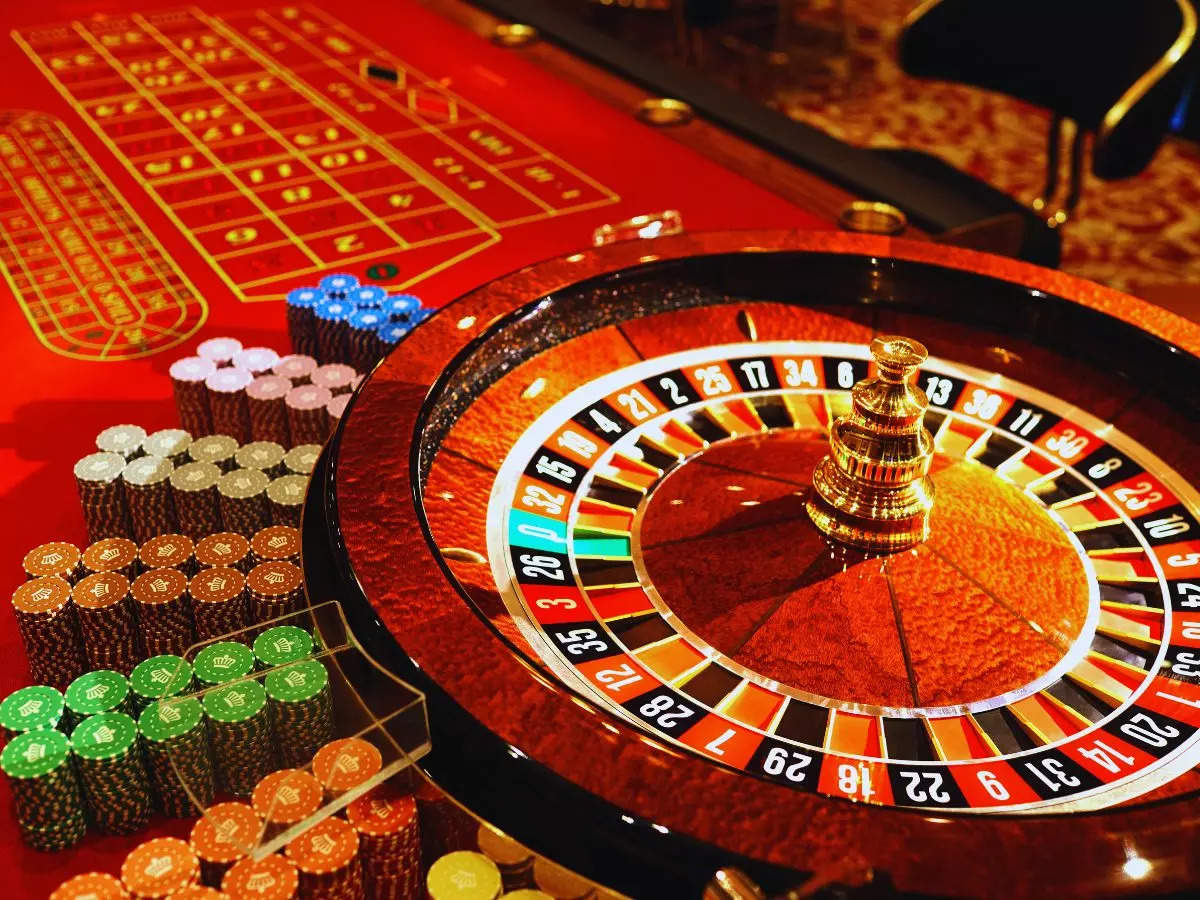
Moreover, the sensory environment of casinos—bright lights, loud sounds, and vibrant colors—intensifies this experience. These elements are carefully designed to stimulate and attract gamblers. By immersing themselves in such an atmosphere, players often lose track of time and money, drawn deeper into their gambling behaviors.
Risk and Reward: The Gambler’s Fallacy
A critical aspect of gambling psychology is the gambler’s fallacy, the belief that future probabilities are influenced by past events. For instance, a player may believe that a slot machine is “due” for a payout after a series of losses. This misconception fuels continued play and often leads to increased financial risk. Understanding this cognitive bias is essential for both novice and experienced gamblers to make rational decisions during play.
Additionally, the allure of winning can overshadow the reality of the odds. Many players underestimate the house edge, convincing themselves that they have a better chance of winning than statistically possible. This false confidence can perpetuate gambling behaviors, making it difficult for individuals to recognize when they should stop.
The Role of Social Influence in Gambling
Social dynamics significantly impact gambling behavior in casinos. Group settings often enhance the excitement and decision-making processes, with individuals feeling encouraged or pressured to participate due to peer influence. This communal atmosphere can lead to more significant financial commitments than one might typically undertake alone, driven by the desire to fit in or impress others.
Moreover, social interactions can provide reinforcement for gambling behaviors. Sharing stories of wins or losses can create a sense of community among gamblers, further entrenching them in their habits. The combination of social proof and shared experiences contributes to a culture where gambling is normalized and sometimes even glamorized.
Emotional Factors and Gambling Addiction
Emotions play a vital role in gambling behaviors, often dictating decisions made at the casino. Individuals may turn to gambling as a coping mechanism for stress, anxiety, or depression. This emotional reliance can lead to addictive behaviors, where individuals continue to gamble despite negative consequences. Understanding the interplay between emotions and gambling is crucial in addressing the potential for addiction.
Furthermore, the cycle of chasing losses can trap individuals in a damaging pattern. The emotional highs of winning can keep players engaged, while the lows of losing often lead to further gambling attempts in hopes of recovering losses. Recognizing these emotional triggers is essential for anyone looking to maintain healthy gambling habits.

Your Resource for Responsible Gambling
As you navigate the complex world of casinos and gambling, it’s vital to have the right resources at your disposal. Our website offers comprehensive insights into responsible gambling, promoting awareness of the psychological aspects that drive behavior. By educating yourself on the various influences of gambling, you can make informed decisions and enhance your overall gaming experience.
In addition, we provide valuable information on recognizing when to seek help, understanding gambling addiction, and finding support systems. With the right knowledge and tools, you can enjoy the thrill of the casino while maintaining control over your gambling activities.